
August 16, 2024
General Dentistry
Dental health is an essential component of overall well-being. It’s not just about having a bright smile; it’s about maintaining the health of your teeth and gums.
Periodontal disease, often known as gum disease, is a common oral health issue that can lead to various complications if left untreated. Fortunately, one of the most effective ways to prevent periodontal disease is through regular dental cleanings.
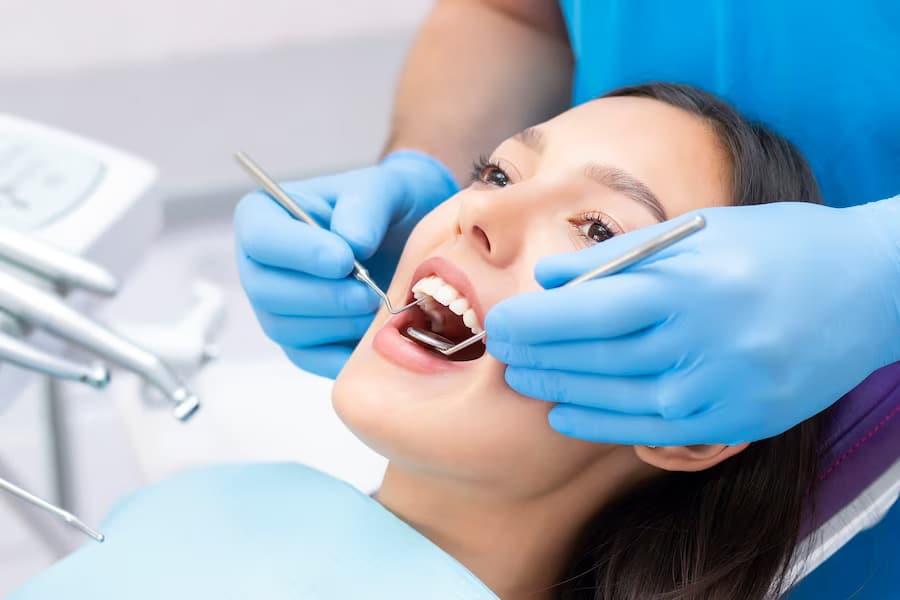
Highlighting the benefits of regular dental cleaning in preventing serious oral health issues
What Is Periodontal Disease?
Periodontal disease is an infection of the tissues that surround and support your teeth, including the gums, ligaments, and bone. It typically begins with the accumulation of plaque, a sticky film of bacteria, on the teeth.
If not removed through regular oral care practices and professional dental cleanings, this plaque can harden into tartar or calculus. Over time, the bacterial toxins in plaque and tartar can cause inflammation, leading to gum disease.
Benefits of Regular Dental Cleanings
Early Detection: Regular dental cleanings allow your dentist or dental hygienist to monitor your oral health closely.
They can detect the early signs of gum disease or other dental issues, such as cavities, oral cancer, or teeth grinding. Detecting these problems in their initial stages makes them easier to treat, often preventing the need for more invasive and costly procedures.
Plaque and Tartar Removal: Even with diligent brushing and flossing, it’s challenging to remove all the plaque and tartar from your teeth at home.
Dental professionals use specialized tools to thoroughly clean your teeth, removing built-up tartar that you can’t eliminate on your own.
Preventing Gum Disease: Regular dental cleanings significantly reduce the risk of developing gum disease. By removing plaque and tartar, you minimize the source of inflammation, which is the primary driver of gum disease.
Healthy gums are essential for holding teeth securely in place and preventing tooth loss.
Preventing Tooth Decay: Dental cleanings help prevent cavities by removing plaque and tartar, which are the leading causes of tooth decay. This process ensures that your teeth remain strong and healthy.
Aiding in Bad Breath Control: Plaque buildup and gum disease are often associated with bad breath. Regular cleanings can help keep your breath fresh by removing these sources of odor.
Stain Removal: Dental cleanings also address surface stains on your teeth, leaving your smile looking brighter and more aesthetically pleasing.
Improving Overall Health: There is a growing body of research indicating that oral health is closely linked to overall health. Gum disease has been associated with various systemic conditions, including heart disease, diabetes, and respiratory infections.
By preventing gum disease through regular dental cleanings, you may be safeguarding your overall well-being.
How Often Should You Get Dental Cleanings?
The frequency of teeth cleanings varies from person to person, depending on their individual oral health needs. In general, most individuals benefit from biannual cleanings, which means visiting the dentist every six months. However, some people with specific conditions, such as a history of gum disease or extensive dental work, may require more frequent cleanings.
In conclusion, regular dental cleanings are a cornerstone of preventive oral care and an effective means of preventing periodontal disease.
By removing plaque and tartar, monitoring your oral health, and addressing issues early, dental professionals play a crucial role in keeping your teeth and gums healthy. So, if you want to maintain a bright smile and protect your overall health, don’t underestimate the importance of regular dental cleanings as part of your oral hygiene routine.
Recent Posts
Apr. 27, 2026
How Gum Health Affects Your Smile’s Appearance

Apr. 22, 2026
Is Cosmetic Dentistry Safe for You? Debunking Common Myths

Apr. 16, 2026
Oral Hygiene Tips After Cosmetic Procedures

Apr. 09, 2026
Is Cosmetic Dentistry Worth It? What You Should Know

Mar. 25, 2026
Why Preventive Dental Care Is Important for Residents of Las Vegas
Catagories
- Bite Adjustment (4)
- Cosmetic Dentistry (54)
- Dental Bonding (3)
- Dental Care (6)
- Dental Crowns (0)
- Dental Hygiene (1)
- Dental Implants (34)
- Dental Veneers (8)
- Dentist (10)
- Dentistry (5)
- Dentures and Bridges (2)
- Endodontic Treatment (1)
- General Dentistry (11)
- Gum Re-Contouring (5)
- Invisalign (5)
- Orthodontic (1)
- Preventive Dentistry (4)
- Restorative Dentistry (6)
- Root Canals (4)
- Routine Dental Care (2)
- Teeth Cleaning (1)
- Teeth Whitening (8)
- Uncategorized (0)
- Zoom Teeth Whitening (5)